Ecommerce Website Design Companies: Shaping the Future of Online Business
In today’s digital age, the way businesses present themselves online can make or break their success. Ecommerce website design companies play a pivotal role in ensuring that online stores are not only visually appealing but also functionally robust, user-friendly, and optimized for conversions. This article explores the critical aspects of ecommerce website design, the role of specialized design companies, and the latest trends that are shaping the industry.
The Evolving Landscape of Ecommerce
The Digital Transformation
The surge in internet usage, the advent of mobile technology, and the rapid growth of social media have all contributed to a radical transformation in how consumers shop. Traditional brick-and-mortar businesses are increasingly transitioning to online platforms to reach a broader audience. Ecommerce website design companies are at the forefront of this transformation, offering innovative solutions that combine aesthetics with functionality.
Consumer Expectations in the Modern Marketplace
Today’s consumers expect a seamless, engaging, and personalized shopping experience. From intuitive navigation and fast loading times to secure payment options and responsive design, every element of an ecommerce website must cater to user expectations. Ecommerce design companies focus on creating websites that not only capture the brands identity but also meet high standards for user experience (UX) and user interface (UI) design.
Core Services Offered by Ecommerce Website Design Companies
Custom Website Design and Development
One of the primary services provided by ecommerce website design companies is the creation of custom websites tailored to the specific needs of each client. This involves:
Branding and Visual Identity: Crafting a unique visual language that reflects the brand’s ethos. This includes logo design, color schemes, typography, and imagery.
User-Centered Design: Developing a design strategy that prioritizes ease of navigation, accessibility, and overall user experience. This often involves extensive research into the target audiences preferences and behaviors.
Responsive Design: Ensuring the website performs optimally across various devices—desktops, tablets, and smartphones. With the increasing trend of mobile commerce, responsiveness is no longer an option but a necessity.
Ecommerce Platform Integration
Most ecommerce businesses rely on popular platforms such as Shopify, Magento, WooCommerce, or BigCommerce. Design companies often specialize in integrating these platforms with custom themes and features. This service includes:
Plugin and Extension Integration: Enhancing functionality with third-party tools for inventory management, customer relationship management (CRM), marketing automation, and more.
Payment Gateway Integration: Implementing secure and efficient payment systems to facilitate transactions smoothly. Companies focus on integrating multiple payment options to cater to diverse customer preferences.
SEO and Digital Marketing Integration: Designing websites that are optimized for search engines right from the start, while also integrating tools for analytics, email marketing, and social media engagement.
Website Redesign and Optimization
For businesses that already have an online presence but need a facelift or performance improvements, ecommerce website design companies offer redesign services. This includes:
User Experience (UX) Audits: Comprehensive evaluations of the current website to identify bottlenecks in navigation and functionality. Recommendations are provided based on user behavior analytics.
Performance Optimization: Enhancing website speed, ensuring mobile responsiveness, and improving overall site efficiency. A faster website not only improves user experience but also boosts search engine rankings.
Conversion Rate Optimization (CRO): Refining the design and layout to maximize the conversion rate. This involves strategically placing call-to-action (CTA) buttons, optimizing checkout processes, and reducing cart abandonment.
Key Trends in Ecommerce Website Design
Minimalism and Clean Design
Minimalist design has gained popularity in recent years due to its simplicity and focus on essential elements. Ecommerce websites adopting minimalistic trends typically feature:
Clear Visual Hierarchy: A design that guides users naturally through the site, highlighting important elements such as product images, prices, and CTAs.
Whitespace Usage: Adequate spacing around elements to reduce clutter and enhance readability.
Focus on Typography: Strategic use of fonts and text sizes to convey the brand message clearly and effectively.
Mobile-First Design
With a significant portion of online shoppers using mobile devices, ecommerce website design companies are embracing a mobile-first approach. This trend involves:
Optimized Layouts: Ensuring that the website layout adapts seamlessly to smaller screens without compromising on functionality or aesthetics.
Touch-Friendly Interfaces: Designing buttons and interactive elements that are easy to use on touchscreen devices.
Speed and Performance: Focusing on fast load times and efficient data management to reduce latency on mobile networks.
Personalization and AI Integration
Advancements in artificial intelligence (AI) and machine learning are transforming the ecommerce landscape. Ecommerce website design companies are increasingly incorporating:
Personalized User Experiences: Tailoring product recommendations, content, and promotions based on user behavior and preferences.
Chatbots and Virtual Assistants: Integrating AI-powered customer support to provide instant assistance and enhance user engagement.
Data-Driven Design: Utilizing analytics and user feedback to continuously refine the website’s design and functionality.
Enhanced Security Measures
With cyber threats on the rise, ecommerce websites must prioritize security to protect customer data and build trust. Design companies focus on:
SSL Certificates and Secure Payment Gateways: Implementing robust encryption and secure transaction protocols.
Regular Security Audits: Conducting ongoing assessments to identify and mitigate potential vulnerabilities.
Compliance with Data Protection Regulations: Ensuring that the website meets global standards such as GDPR, CCPA, and PCI-DSS.
The Role of User Experience (UX) and User Interface (UI) Design
Creating an Intuitive Navigation System
One of the fundamental aspects of ecommerce website design is creating an intuitive navigation system that allows users to find products quickly and effortlessly. Effective navigation strategies include:
Mega Menus and Dropdowns: Organizing categories and subcategories in a clear and accessible manner.
Search Functionality: Implementing advanced search features that include filters, auto-suggestions, and product categorization.
Breadcrumb Navigation: Helping users keep track of their location within the site, making it easier to backtrack and explore related products.
Visual Storytelling and Brand Consistency
A strong visual narrative can significantly enhance user engagement and retention. Ecommerce website design companies work closely with branding experts to ensure that every visual element:
Tells the Brand’s Story: Utilizing imagery, videos, and interactive content to convey the brand’s values and mission.
Maintains Consistency: Ensuring that all pages, from the homepage to product detail pages, reflect the same visual identity and tone.
Inspires Trust: Using high-quality images and design elements that establish a professional and credible online presence.
Accessibility and Inclusivity
Modern ecommerce websites are designed to be accessible to all users, including those with disabilities. Design companies are increasingly focused on:
WCAG Compliance: Adhering to the Web Content Accessibility Guidelines (WCAG) to ensure that websites are usable by individuals with visual, auditory, or mobility impairments.
Inclusive Design Practices: Incorporating features such as adjustable text sizes, alt text for images, and keyboard navigation options.
Multilingual Support: Offering multiple language options to cater to a global audience, thereby broadening the market reach.
Evaluating and Choosing an Ecommerce Website Design Company
Key Criteria for Selection
Selecting the right ecommerce website design company is critical for business success. Here are some key criteria to consider:
Portfolio and Case Studies: Review the company’s previous work to assess the quality and diversity of their design projects. Look for case studies that highlight their expertise in the ecommerce sector.
Technical Expertise: Ensure the company is proficient in the latest technologies and platforms relevant to ecommerce. This includes familiarity with CMS platforms, programming languages, and payment gateway integrations.
Client Testimonials and Reviews: Customer feedback can provide valuable insights into the company’s reliability, customer service, and overall performance.
Customization and Flexibility: The company should offer tailored solutions that meet the unique needs of your business rather than one-size-fits-all templates.
Post-Launch Support: Ongoing maintenance, updates, and technical support are crucial for the long-term success of your ecommerce website.
Balancing Budget and Quality
While budget considerations are important, quality should never be compromised. Investing in a well-designed ecommerce website is an investment in your brand’s future. Many ecommerce website design companies offer scalable solutions, ensuring that your website can grow with your business without requiring a complete overhaul.
Communication and Collaboration
Effective communication is the cornerstone of any successful project. When evaluating ecommerce design companies, consider their approach to collaboration:
Transparent Processes: The company should have a clear, step-by-step process for project management, from initial consultation to post-launch support.
Regular Updates: Look for companies that provide consistent progress reports and are open to feedback.
Creative Input: A collaborative approach ensures that your vision is incorporated into the final design while benefiting from the technical expertise of the design team.
Emerging Technologies and Their Impact on Ecommerce Design
Augmented Reality (AR) and Virtual Reality (VR)
AR and VR are rapidly changing the way consumers interact with products online. Ecommerce website design companies are beginning to integrate these technologies to:
Enhance Product Visualization: Allowing customers to view products in a real-life context or interact with 3D models before making a purchase.
Improve Engagement: Creating immersive experiences that can boost customer retention and drive conversions.
Offer Virtual Try-Ons: Particularly beneficial for industries such as fashion and home decor, where visualization is key to the purchase decision.
Voice Commerce
With the proliferation of smart speakers and voice assistants, voice commerce is emerging as a new frontier in online shopping. Ecommerce design companies are exploring ways to:
Optimize for Voice Search: Designing websites that can cater to voice-activated queries and commands.
Integrate Voice-Activated Navigation: Allowing users to navigate the site, add items to their cart, and complete purchases through voice commands.
Enhance Accessibility: Providing an alternative mode of interaction for users with mobility impairments or those who prefer hands-free browsing.
Blockchain and Enhanced Security
Blockchain technology is beginning to influence ecommerce by offering new ways to secure transactions and build trust. Ecommerce website design companies are examining:
Decentralized Payment Systems: Leveraging blockchain to provide secure, transparent, and efficient payment options.
Enhanced Data Protection: Using blockchain’s immutable ledger to prevent data breaches and fraud.
Smart Contracts: Automating transactions and agreements to reduce the need for intermediaries, which can streamline processes and reduce costs.
Real-World Examples and Case Studies
Small Business Success Stories
Many small businesses have experienced exponential growth after partnering with ecommerce website design companies. For instance, a boutique fashion retailer may have started with a simple online store and, with the help of expert designers, evolved into a full-fledged ecommerce platform featuring interactive lookbooks, personalized shopping experiences, and integrated social media marketing. This transformation not only boosted their sales but also enhanced customer engagement and brand loyalty.
Large Enterprises Leading the Market
Large enterprises also benefit significantly from professional ecommerce design services. Companies that manage extensive product catalogs and serve diverse international markets rely on sophisticated ecommerce solutions that integrate advanced search algorithms, multi-language support, and personalized user experiences. These businesses illustrate how strategic design can drive conversion rates and build a competitive edge in the crowded digital marketplace.
Innovation Through Collaboration
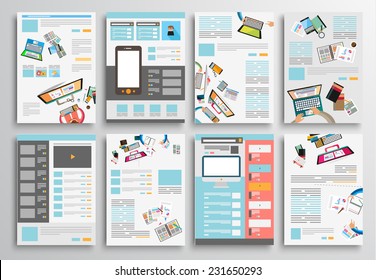
Some of the most innovative ecommerce solutions have emerged from close collaborations between businesses and design agencies. By combining deep industry knowledge with creative design and technical expertise, these partnerships have produced websites that are not only visually stunning but also functionally superior. Such collaborations often result in features that set new standards for user engagement, security, and overall online shopping experiences.
The Future of Ecommerce Website Design
Continuous Innovation
The ecommerce landscape is ever-evolving, and website design is no exception. Ecommerce website design companies are constantly pushing the boundaries of what is possible. Emerging trends such as AI-driven personalization, immersive AR/VR experiences, and voice commerce are poised to redefine how consumers interact with online stores.
Sustainable and Ethical Design
As consumers become more conscious of environmental and social issues, ecommerce businesses are increasingly expected to adopt sustainable and ethical practices. Design companies are responding by:
Using Sustainable Design Practices: Implementing energy-efficient hosting solutions and promoting digital sustainability.
Inclusive Design Initiatives: Ensuring that websites are accessible to all users and reflect diverse cultural perspectives.
Transparent Business Practices: Highlighting ethical sourcing, fair trade practices, and corporate social responsibility initiatives within the design narrative.
The Role of Data and Analytics
Data-driven insights will continue to play a critical role in shaping the future of ecommerce design. Companies are investing in advanced analytics tools to understand user behavior better, optimize user journeys, and continually refine the design for improved performance and engagement. The integration of AI and machine learning will further empower businesses to deliver hyper-personalized shopping experiences that anticipate and meet the evolving needs of consumers.
Ecommerce website design companies are indispensable partners in the digital age. They bridge the gap between technology and creativity, transforming simple online stores into immersive, user-friendly, and conversion-optimized platforms. Whether you’re a small business just starting out or a large enterprise looking to innovate, partnering with the right design company can be a game-changer.
By focusing on user experience, embracing emerging technologies, and adhering to best practices in design and security, ecommerce website design companies not only meet the current demands of the market but also pave the way for future innovations. As the digital landscape continues to evolve, these companies will remain at the forefront, guiding businesses towards sustainable growth and lasting success.
In the competitive world of online retail, the right design is more than just aesthetics—it’s a strategic investment in your brand’s future. Embracing professional ecommerce website design services is the key to unlocking your business’s full potential and standing out in a crowded marketplace.