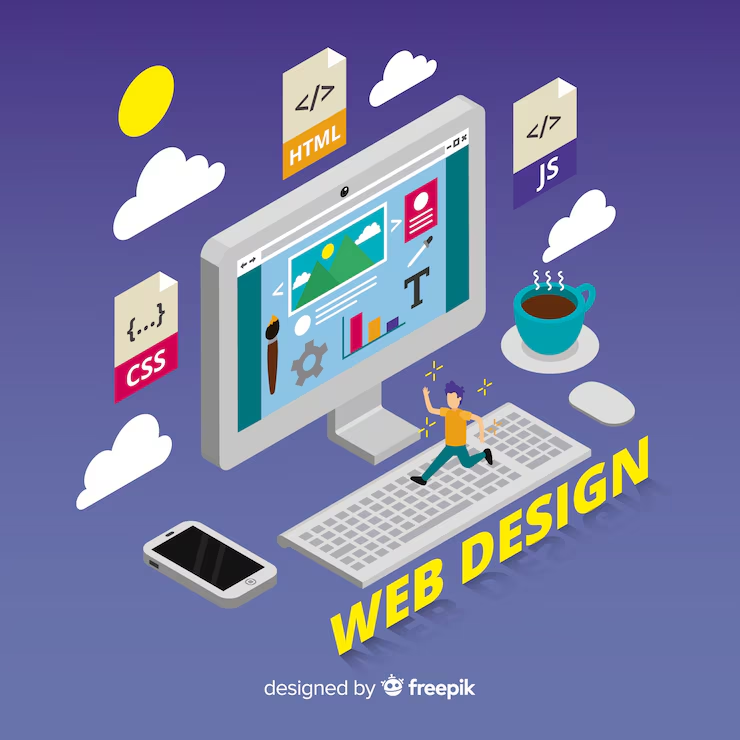
SEO and Web Design Services: The Perfect Synergy for Digital Success
In today’s digital-first world, having a strong online presence is no longer optional—it’s essential. Two key pillars of digital success are Search Engine Optimization (SEO) and Web Design. While they are distinct disciplines, their integration can determine whether your website merely exists or truly thrives.
This article explores the synergy between SEO and web design services, why they are critical for your business, and how combining them can supercharge your digital marketing strategy.
What is SEO?
Search Engine Optimization (SEO) refers to the process of optimizing a website to rank higher in search engine results pages (SERPs). The ultimate goal of SEO is to increase organic (non-paid) traffic to a website by making it more discoverable to users searching for relevant keywords.
SEO encompasses various strategies and techniques, including:
Keyword Research: Identifying the terms your target audience is searching for.
On-page Optimization: Enhancing content, meta tags, and HTML source code.
Technical SEO: Improving site speed, mobile-friendliness, indexing, and crawlability.
Link Building: Acquiring high-quality backlinks from reputable sources.
Content Marketing: Creating relevant and valuable content that addresses user needs.
What is Web Design?
Web design focuses on the visual aesthetics, usability, and functionality of a website. A good web design doesn’t just look appealing—it provides a seamless and intuitive user experience. Elements of effective web design include:
Responsive Design: Ensuring compatibility with all devices and screen sizes.
User Interface (UI) Design: Crafting visually engaging and interactive elements.
User Experience (UX) Design: Prioritizing ease of navigation and satisfaction.
Accessibility: Making content usable for individuals with disabilities.
Performance Optimization: Reducing load times and improving interactivity.
How SEO and Web Design Work Together
Though SEO and web design can be treated as separate services, combining them leads to better overall results. A well-designed website with poor SEO might never be found, while an SEO-optimized site with poor design might turn visitors away.
Here’s how the two disciplines intersect:
1. Mobile Optimization and Responsive Design
Search engines like Google prioritize mobile-friendly websites in their rankings. A responsive design ensures your site looks and functions well across all devices—a crucial factor in both user experience and SEO performance.
2. Site Speed and Performance
Page speed is a confirmed ranking factor for Google. Web design decisions—such as image sizes, hosting, and code efficiency—impact loading times. Faster websites rank better and provide a better user experience.
3. Structured Navigation and User Flow
SEO-friendly web design structures the site in a way that is easy to crawl for search engines and easy to navigate for users. Clear menus, breadcrumb navigation, and logical internal linking improve both usability and SEO.
4. Content Accessibility
Design elements should enhance, not hinder, content consumption. Using appropriate font sizes, color contrasts, and layouts ensures that content is accessible, readable, and engaging—all of which contribute to longer user sessions and lower bounce rates.
5. Clean Code and Technical SEO
Web design involves coding, and clean, well-structured code ensures faster loading, fewer errors, and better search engine indexing. It also affects how well your website integrates schema markup and other SEO essentials.
6. Metadata Integration
Meta titles, descriptions, header tags (H1, H2, etc.), and alt attributes must be easily implemented within the web design. A seamless CMS integration can help you update these fields as part of your content marketing and SEO strategy.
Benefits of Combining SEO and Web Design Services
1. Increased Organic Traffic
When your site is visually appealing and optimized for search, it attracts and retains more visitors. This leads to more organic traffic and higher conversion rates.
2. Improved User Engagement
Great web design encourages users to explore, while SEO ensures they land on your site in the first place. Together, they create a positive loop of discovery and engagement.
3. Higher Conversion Rates
A website that loads quickly, looks trustworthy, and is easy to navigate reduces friction in the buyer journey. Optimized landing pages combined with compelling calls-to-action can significantly boost conversions.
4. Stronger Brand Credibility
A professional, cohesive website that ranks well in search results positions your brand as an authority in your niche. It builds trust with users and makes a lasting impression.
5. Better ROI
By aligning your SEO and web design efforts, you maximize the impact of your digital marketing spend. Rather than fixing issues after launch, integrated planning saves time and resources.
Choosing the Right SEO and Web Design Agency
When selecting a service provider, look for an agency that understands the importance of aligning SEO and design from the start. A good partner will offer:
Custom Strategy Development

Transparent Reporting and Analytics
Experienced SEO and UX Professionals
Mobile-First Design Approach
Ongoing Optimization and Support
Ask to see case studies, client testimonials, and examples of websites they’ve built and optimized. Make sure they have a proven track record of delivering results.
SEO and web design are not opposing forces—they are complementary partners. When done right, they create a website that is not only beautiful and functional but also visible and effective. Businesses that invest in both will enjoy better rankings, more traffic, and higher conversion rates.
In the digital age, synergy is everything. If you want to stand out and succeed online, dont just build a website—build a smart, optimized digital experience.